
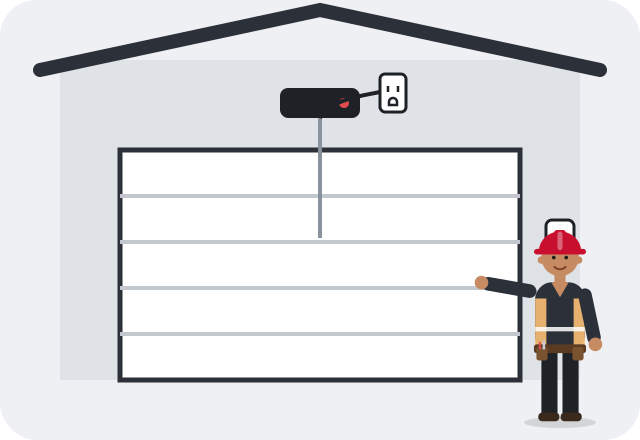
What homeowners usually notice
- No lights on the opener and no response to the wall button or remote
- Opener light works but the motor does not
- Wall button blinks but the door does not move
- Other garage outlets are also dead
- Opener stopped working after a storm
What to do right now
- Check that the opener's cord is fully plugged into the ceiling outlet
- Look for a GFCI outlet in the garage, bathrooms or outside and press reset once
- Check the breaker panel for a tripped breaker and reset it once
- Check the wall control for a lock or vacation button that is turned on
Likely causes
Tripped GFCI elsewhere
Garage outlets are often protected by a GFCI that may be in the garage, outside or even in a bathroom. When it trips, the opener outlet goes dead too.
Tripped breaker
A breaker can trip because of a fault or because the circuit is shared with heavy garage tools or a freezer.
Lockout or vacation mode
Many wall controls have a lock button that blocks remotes. The opener still has power, but the remote does nothing.
Opener failure
Openers have circuit boards and motors that can fail, especially after a lightning strike or power surge.
Wiring or outlet failure
The outlet itself can fail, or a connection upstream can loosen or burn. This is more common in older garages or where extra outlets were added.
Safe checks you can make
- Plug a lamp or phone charger into the opener outlet to test for power
- Check whether other garage outlets or lights work
- Look for a lock indicator on the wall control
- Note whether the problem began after a storm
Leave outlet covers, switch plates and the panel cover in place. Noting what you see and hear is enough; testing inside boxes belongs to an electrician.
Is this something you can fix yourself?
A dead opener is often solved without an electrician. Reset any GFCI you can find, including ones in the garage, outside and in nearby bathrooms, and reset a tripped breaker once. Turn off the lock or vacation mode on the wall control, replace remote batteries and make sure the plug is fully seated. If the outlet tests live but the opener still does nothing, the opener itself is the issue, and a garage door opener technician is the right call. If the outlet stays dead after a reset, or the breaker trips again, that is an electrical problem for a licensed electrician.
When professional help is the right call
- A breaker that trips again right after reset
- A GFCI that will not reset
- A burning smell or scorch marks at the ceiling outlet
- Several garage outlets and lights out together
- Problems that started after a lightning storm
Safety first. If a breaker trips again right after you reset it, leave it off. If the ceiling outlet or opener smells burnt, looks scorched or sparks, unplug only if you can do it safely, turn the breaker off and call. If there is smoke, flame or sparking that continues, get out and call 911.

What an electrician typically checks
An electrician will test the outlet and circuit, trace GFCI protection to find which device protects the garage, and check the breaker and panel connections. They check whether the opener is sharing a circuit with heavy loads.
Repairs may include replacing the outlet, correcting GFCI protection, repairing damaged wiring or giving the opener its own circuit. After storms, adding surge protection can help protect openers and other electronics. Broader garage electrical work covers outlets, lighting and new circuits.
Keeping it from coming back
Know where the GFCI that protects your garage is located, and label it. If other garage outlets are also out, see garage outlets not working. Keep heavy tools and freezers off the opener circuit if possible. Birmingham's frequent spring and summer lightning makes surge protection worth considering for openers and other electronics.