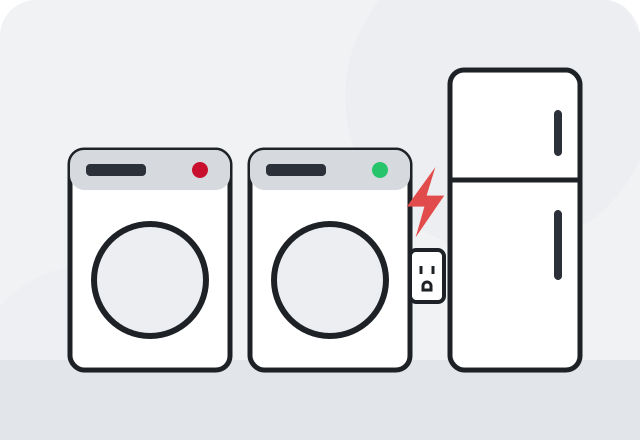

Quick answer: A GFCI keeps tripping because it senses current leaking to ground, which is exactly what it is designed to stop. The usual causes are moisture in an outdoor or bathroom outlet, an appliance with worn insulation or a heating element that leaks current, wiring damage somewhere downstream, or a GFCI that is simply wearing out. Unplug everything on it and reset it once; if it trips again with nothing connected, have a licensed electrician check it.
GFCI outlets are the ones with the test and reset buttons, usually in bathrooms, kitchens, garages, basements and outdoors. They are there to shut off power in a fraction of a second if current starts flowing somewhere it should not, such as through water or a person.
So a GFCI tripping now and then is not a malfunction. It is the device working. The frustration comes when it trips every time the hair dryer runs, every time it rains or every few days for no obvious reason. That kind of repeated tripping has a cause, and most of the time you can narrow it down with a few safe checks before calling anyone.
What is a GFCI actually measuring?
A GFCI compares the current going out on the hot wire with the current coming back on the neutral. In a healthy circuit those are equal. If a tiny amount goes missing, it has found another path to ground, and the GFCI trips. The threshold is very small, far below what a standard breaker would notice, which is why GFCIs catch problems that breakers ignore.
One GFCI can also protect other outlets downstream of it. That is why a dead bathroom outlet is sometimes controlled by a GFCI in another bathroom, the garage or even outdoors. For a fuller explanation of how these devices work, see the guide on what a GFCI outlet is.
Why does my GFCI trip when it rains?
Water is the most common reason outdoor and garage GFCIs trip. Rain blowing into an outlet without a proper in-use cover, condensation inside a box, or a wet extension cord connection can all create a small leakage path. Birmingham's humid summers and heavy spring and fall storms give moisture plenty of chances to get in.
If your outdoor GFCI trips mainly during or after storms, check whether the cover closes fully with a cord plugged in, whether cords are lying in puddles, and whether holiday or landscape lighting connections are exposed. Once things dry out, the GFCI will often reset normally, but the moisture path is still there waiting for the next storm. The site has a page devoted to an outdoor outlet that keeps tripping.
How do you figure out what is causing it?
This isolation test works for most GFCI problems and does not involve opening anything:
Unplug everything
Unplug every device from the GFCI and from any outlets it might protect downstream.
Reset once
Press the reset button firmly. If it will not reset, or trips immediately with nothing plugged in, stop here.
Add devices back one by one
Plug in one appliance at a time and use it normally. If one device trips the GFCI every time, that appliance is likely leaking current.
Watch the pattern
If it only trips in wet weather, suspect moisture. If it trips at random with nothing new connected, suspect the GFCI or downstream wiring.
Appliances with heating elements or motors, such as hair dryers, space heaters, refrigerators, freezers, sump pumps and power tools, are common culprits. A little leakage builds up as insulation ages, and a GFCI notices it long before anything else does.
Can a GFCI just wear out?
Yes. GFCIs contain electronics, and those age. Heat, power surges from lightning and years of service can make a GFCI overly sensitive, so it trips for no real reason, or the opposite, so it no longer trips when it should. Many newer GFCIs have an indicator light that shows when the device has failed its internal self-test.
Press the test button monthly. It should click off, and reset should restore power. If the test button does nothing, or reset will not hold, the device needs to be replaced. That is a job for a licensed electrician as a GFCI outlet repair, since it means working inside a live outlet box.
Never replace a GFCI with a standard outlet to stop the tripping. GFCI protection is required in wet and damp locations for good reason. Removing it or bypassing it takes away the protection that prevents shocks where water and electricity meet.
When does repeated tripping point to a wiring problem?
If the GFCI trips with nothing plugged in anywhere on its circuit, or a brand new GFCI behaves the same way, the leakage is probably in the wiring. Common findings include water in an outdoor box, damaged cable in a crawlspace or attic, a nicked wire behind a wall, or a neutral that is shared with another circuit in a way GFCIs do not tolerate. Older homes and homes with past do-it-yourself additions are more likely to have these surprises.
Finding that kind of fault takes testing equipment and access to boxes, which is why it belongs in the hands of a licensed electrician doing electrical troubleshooting.
What should you never do?
- Do not tape down, jam or bypass the reset button.
- Do not swap in a standard receptacle where a GFCI is required.
- Do not keep resetting a GFCI that trips instantly with nothing connected.
- Do not open the outlet box or pull the device out to look.
If a GFCI or the outlet around it is hot, scorched or smells burnt, stop using it. If you see smoke, flame or sparks, leave the house and call 911.
Key takeaways
- A GFCI trips when it detects current leaking to ground, which is its job.
- Moisture, leaking appliances, worn GFCIs and downstream wiring faults are the common causes.
- Unplug everything, reset once and add devices back one at a time to isolate the cause.
- Test GFCIs monthly; replace any that will not trip or will not hold a reset.
- Never bypass or remove GFCI protection to stop nuisance tripping.
Frequently asked questions
Hair dryers pull a lot of current and have heating elements that can leak a small amount to ground as they age. If only the hair dryer trips it, try another dryer. If every heavy appliance trips it, the GFCI itself or the circuit may need to be checked.
A GFCI may refuse to reset if there is an active ground fault on the circuit, if it has no power reaching it, or if the device has failed. Unplug everything and check the breaker. If it still will not reset, have an electrician test it.
Yes. Refrigerator compressors, defrost heaters and older wiring inside the appliance can leak enough current to trip a sensitive GFCI. Do not remove the protection; an electrician can tell you whether the appliance is leaking or the circuit needs a different arrangement under current code.
Pressing the test button once a month is a common recommendation. It should cut power with a click, and pressing reset should restore it. A GFCI that fails this test, or has a warning light showing, should be replaced.
GFCIs can protect every outlet wired after them on the same circuit. Builders often place one GFCI in a garage or bathroom that also protects outdoor or other bathroom outlets. If an outlet is dead, check every GFCI in the house for a tripped button.
The tripping itself is protecting you, but the cause may be a real hazard, such as water in a box or damaged insulation. Frequent trips with no clear cause are worth having checked, especially in wet areas like bathrooms, kitchens and outdoors.