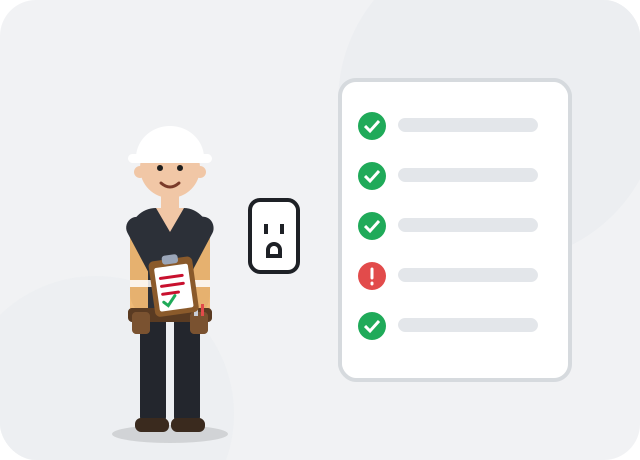
Inside the house, the requests are familiar: outlets that quit, breakers that trip, a panel running out of room. The difference in Pinson is that a single property may have a newer home, an older outbuilding and wiring added by several owners over the years, so a good electrician looks at the whole property, not just the one circuit that failed. An electrical inspection can help map that out.
Pinson Properties and What They Mean for Wiring
Pinson incorporated in 2004, but people lived and built here long before that. The result is a mix: some homes on acreage that have been added onto over time, and subdivisions built more recently with more uniform wiring. On the rural side, it is common to find detached garages, workshops and sheds fed from the main house, sometimes through underground or overhead runs that were installed without much documentation.
Long runs matter electrically. A feeder that is too small for its length can cause voltage drop, so lights dim or motors struggle when a tool starts. Outbuildings may also need their own grounding arrangement and proper disconnects under current electrical code. In the subdivisions, the typical questions are more about capacity: adding circuits for a finished bonus room, a hot tub or an EV charger on a panel that was sized for the original plan.

Practical tips for Pinson homeowners
- Before calling about a shop or barn, note how far it is from the house and whether the line runs overhead or underground; that helps the wiring work get planned.
- If a detached building's lights dim badly when a tool starts, stop using heavy equipment there until the feeder is checked.
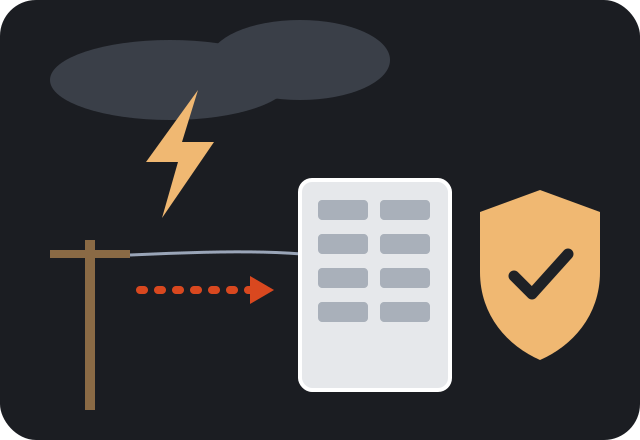
- Keep tree limbs trimmed back from any overhead line to an outbuilding; the line from the utility pole to your house is the utility's responsibility to clear, so call them for that one.
- Never backfeed a portable generator through a dryer outlet; ask about a transfer switch or interlock instead.