Greek American Engineer 1920s Power Plant Electrical System: What It Means for Your Birmingham Home
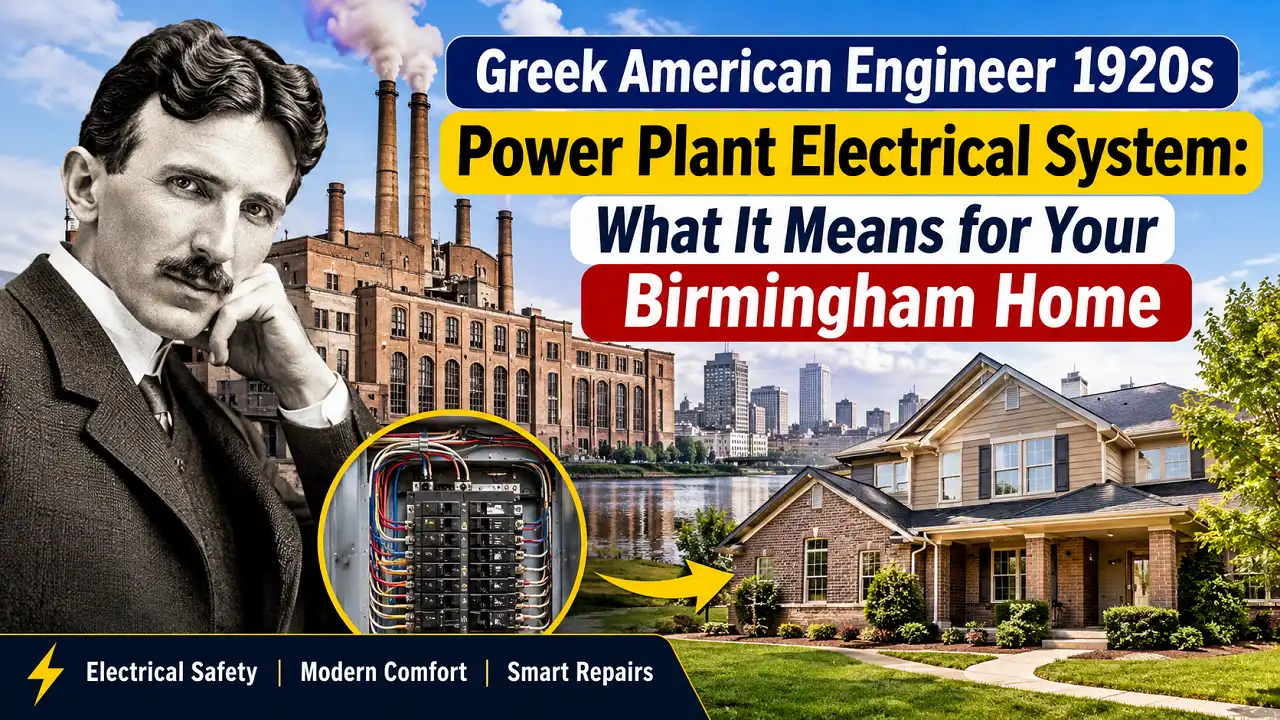
Your breaker panel runs on alternating current, split-phase 120/240-volt service, and 24-volt HVAC control logic. Nearly all of it was settled before 1930. People who search for a greek american engineer 1920s power plant electrical system usually want to know who designed that grid. The answer also matters for your house.
Many Birmingham-area homes still carry wiring habits from that era, and those habits show up as overloaded circuits, failing panels, and HVAC control faults on hot Alabama afternoons.
Key Takeaways
- The history is not what most searches assume. No single Greek American engineer built the 1920s grid. The real architects were Nikola Tesla (Serbian American), Charles Proteus Steinmetz (German-born American), and utility pioneer Samuel Insull, who fled to Greece in 1932.
- 1920s design rules still govern your home. 60 Hz AC, transformer-based voltage steps, and low-voltage control circuits all came from early power plant engineering. Your furnace-to-AC interlock works on the same principle.
- Old wiring is the real risk. Knob-and-tube, fuse boxes, and undersized panels cannot carry modern Alabama cooling loads safely. A licensed inspection is the fastest way to find out what is behind your walls.
Who Was the Greek American Engineer Behind 1920s Power Plants?
No single Greek American engineer designed America’s 1920s power plants. The record points to a small group of immigrant engineers and executives. Their work defined AC generation, transmission, and utility-scale distribution.
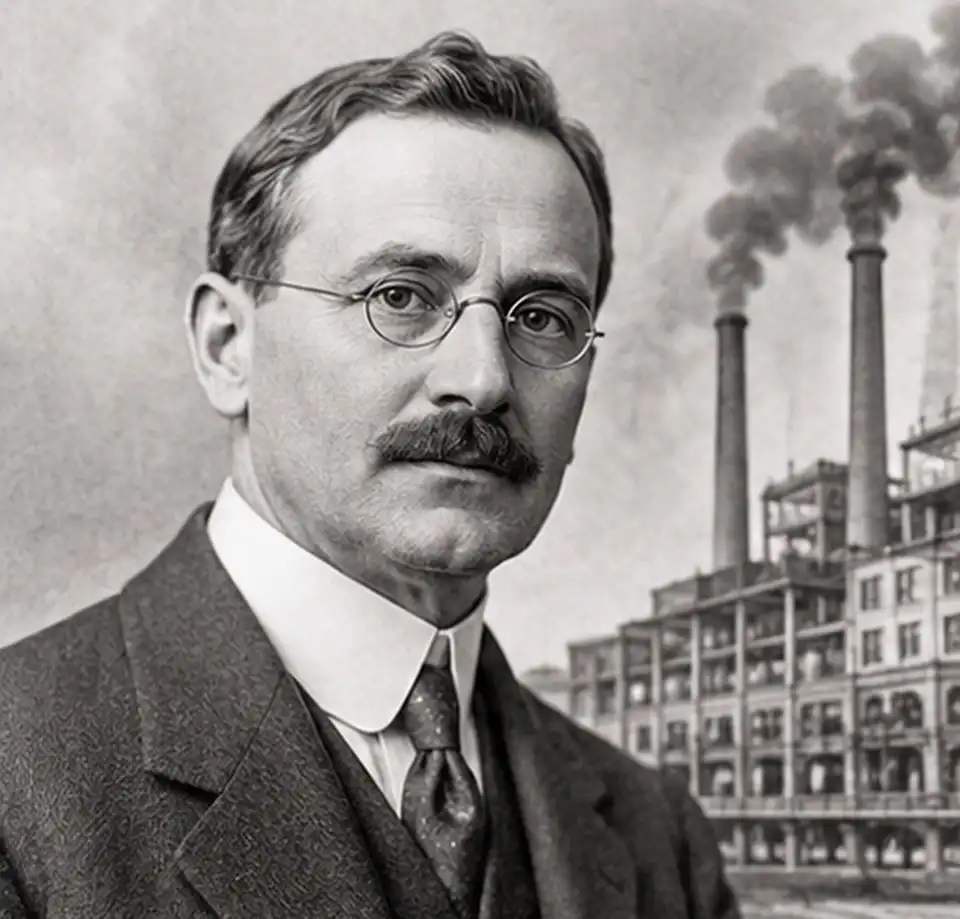
The Greek connection is real, though. It runs in two directions:
- The word itself: “Electricity” comes from the Greek ēlektron (amber). Ancient Greeks noticed that rubbed amber attracted light objects, which is static electricity.
- The 1920s utility story: Samuel Insull, the decade’s most powerful electric utility builder, fled to Greece when his empire collapsed in 1932.
Our government-certified Birmingham electricians get this question during older-home inspections more than you might expect.
Check Also: How to Dim LED Lights Without a Dimmer Switch Safely
Here is who actually shaped the system.
| Figure | Origin | Era of Peak Influence | Core Contribution | Greek Connection |
|---|---|---|---|---|
| Nikola Tesla | Born 1856, Smiljan (modern Croatia); Serbian ethnicity | 1880s to 1900s | AC induction motor, polyphase power | None direct |
| Charles Proteus Steinmetz | Born 1865, Breslau, Prussia | 1890s to 1923 | AC circuit math, hysteresis law, lightning research | Greek-root terminology in his engineering texts |
| Samuel Insull | Born 1859, London | 1900s to 1932 | Central station model, large steam turbines, load diversity | Fled to Greece in 1932 |
| George Westinghouse | Born 1846, New York | 1880s to 1900s | Commercialized Tesla’s AC system | None |
Next step: If you are researching this for an older home, write down your home’s build year. It tells us which wiring era you are likely living with.
Nikola Tesla: The AC Foundation Under Every Panel
Tesla’s polyphase AC system is the backbone of every modern grid. He arrived in the U.S. in 1884, patented his AC induction motor in 1888, and licensed it to Westinghouse. By the 1920s, his active career had faded. His system had won.
| Year | Milestone | What It Means for Your Home Today |
|---|---|---|
| 1888 | AC motor patents licensed to Westinghouse | Your AC compressor and blower motors are induction motors |
| 1893 | Westinghouse AC lights the Chicago World’s Fair | Proved AC could serve large public loads |
| 1895-1896 | Niagara Falls Adams plant sends power to Buffalo | Proved long-distance AC transmission |
| 1900s-1920s | Utilities settle on AC and, in most regions, 60 Hz | Your clocks, motors, and appliances assume 60 Hz |
Why it matters: Tesla’s system let power plants step voltage up for transmission and down for homes with transformers. That pole-mounted or pad-mounted transformer near your Hoover or Homewood home is a direct descendant.
If you’ve spent a summer managing cooling loads in Alabama, Tesla’s motor design makes complete sense. Every condenser fan and compressor in your yard depends on it.
Charles Proteus Steinmetz: The Engineer Who Made Power Predictable
Steinmetz turned AC from guesswork into predictable math. Before his work, engineers built equipment by trial and error. After it, they could calculate losses, voltage drops, and loads before building anything.
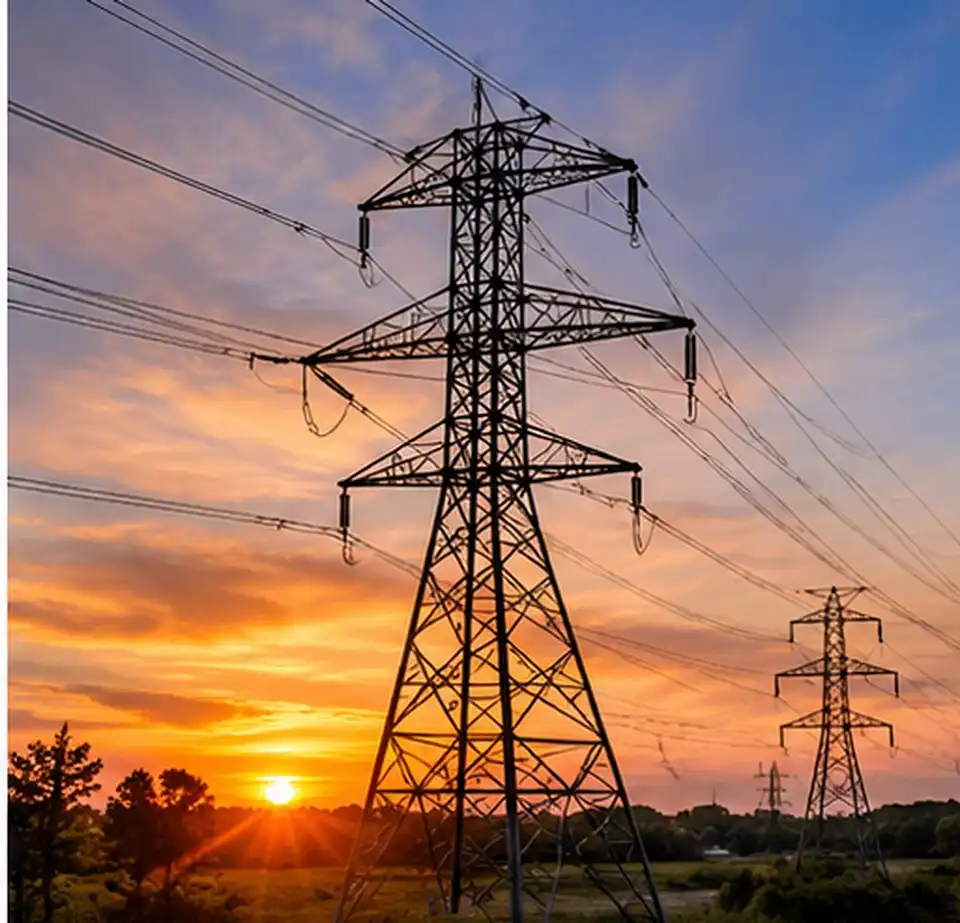
He joined General Electric in 1893 and worked in Schenectady, New York, until his death in October 1923. His influence peaked right as 1920s power plants scaled up.
| Steinmetz Contribution | Plain-Language Meaning | Modern Home Equivalent |
|---|---|---|
| Law of Hysteresis (1892) | Predicts energy lost in iron cores | Efficient transformers and motor cores |
| Complex-number AC analysis (1893) | Math for phase, current, and voltage | Load calculations used to size your panel |
| Lightning research (early 1920s) | Built artificial lightning to test equipment | Surge protective devices (SPDs) on your panel |
| Transmission line theory | Predicts voltage loss over distance | Voltage drop rules for long circuits, like a detached garage |
On recent service calls in Vestavia Hills and Hoover, we’ve replaced surge-damaged control boards in HVAC systems after summer storms. Steinmetz studied that exact threat a century ago.
The fix today is a whole-home surge protector, which the National Electrical Code has required for new and replaced dwelling services since the 2020 edition.
Next step: Check your panel for a surge protector. If you see none, add it to your inspection list.
Check Also: Electric Car Charger Installation Near Me: Know Your Load
Samuel Insull and the Greek Chapter of the 1920s Power Story
Insull built the business model behind every modern utility. He started as Thomas Edison’s secretary, then ran Commonwealth Edison in Chicago. His ideas were simple and powerful:
- Build huge central stations. His Fisk Street Station (1903) used large GE steam turbines.
- Spread the load. Homes, factories, and streetcars peak at different times. Insull used that load diversity to keep generators busy.
- Price by demand. Charging for peak usage paid for big plants.
His holding-company empire collapsed in 1932. He fled to Greece, which had no extradition treaty with the U.S. at the time. He was returned in 1934, tried, and acquitted.
That Greek exile explains much of the confusion behind a Greek American engineer 1920s power plant electrical system search. Insull was not Greek and not primarily an engineer. His load-diversity thinking still lives inside every NEC load calculation we run for panel upgrades.
Inside a 1920s Power Plant Electrical System
A 1920s power plant was a coal-fired or hydro machine built for steady base loads. It used steam turbines or water turbines, AC generators, step-up transformers, and manual switchboards.
Operators controlled it by hand.
| Feature | 1920s Power Plant | Modern Power Plant (2026) |
|---|---|---|
| Fuel / source | Coal, hydro | Natural gas, nuclear, solar, wind, hydro |
| Control | Manual switchboards, operators | Digital SCADA, automated dispatch |
| Protection | Oil circuit breakers, basic relays | Microprocessor relays, arc-flash controls |
| Frequency | Mixed (25 Hz, 60 Hz, others) | Standardized 60 Hz across the U.S. |
| Customer load | Lighting, small motors | HVAC, EVs, data centers, heat pumps |
| Worker safety | Minimal rules | OSHA standards, NFPA 70E practices |
The biggest change is the load. A 1920s home might run a few light bulbs and an iron. A 2026 Mountain Brook home runs two HVAC systems, an induction range, and often an EV charger.
Alabama’s 1920s Power Build-Out
Alabama was a national leader in 1920s hydro power. Birmingham’s steel mills and growing neighborhoods needed it.
| Facility | Completed | Type | Local Significance |
|---|---|---|---|
| Lay Dam (Coosa River) | 1914 | Hydro | Alabama Power’s first major dam |
| Gorgas Steam Plant (Walker County) | 1917 | Coal steam | Fed Birmingham industry |
| Mitchell Dam (Coosa River) | 1923 | Hydro | Expanded central Alabama supply |
| Wilson Dam (Muscle Shoals) | 1924 | Hydro (federal) | Later part of TVA |
| Martin Dam (Tallapoosa River) | 1926 | Hydro | Created Lake Martin |
| Jordan Dam (Coosa River) | 1928 | Hydro | Completed the decade’s buildout |
Nationally, roughly a third of U.S. homes had electricity around 1920. By 1930, about two-thirds did. Many older homes in Homewood, Mountain Brook, and Birmingham’s historic districts were first wired in this window.
AC vs. DC Power Distribution Comparison
AC won because transformers made long-distance delivery cheap. DC could not change voltage easily in that era.
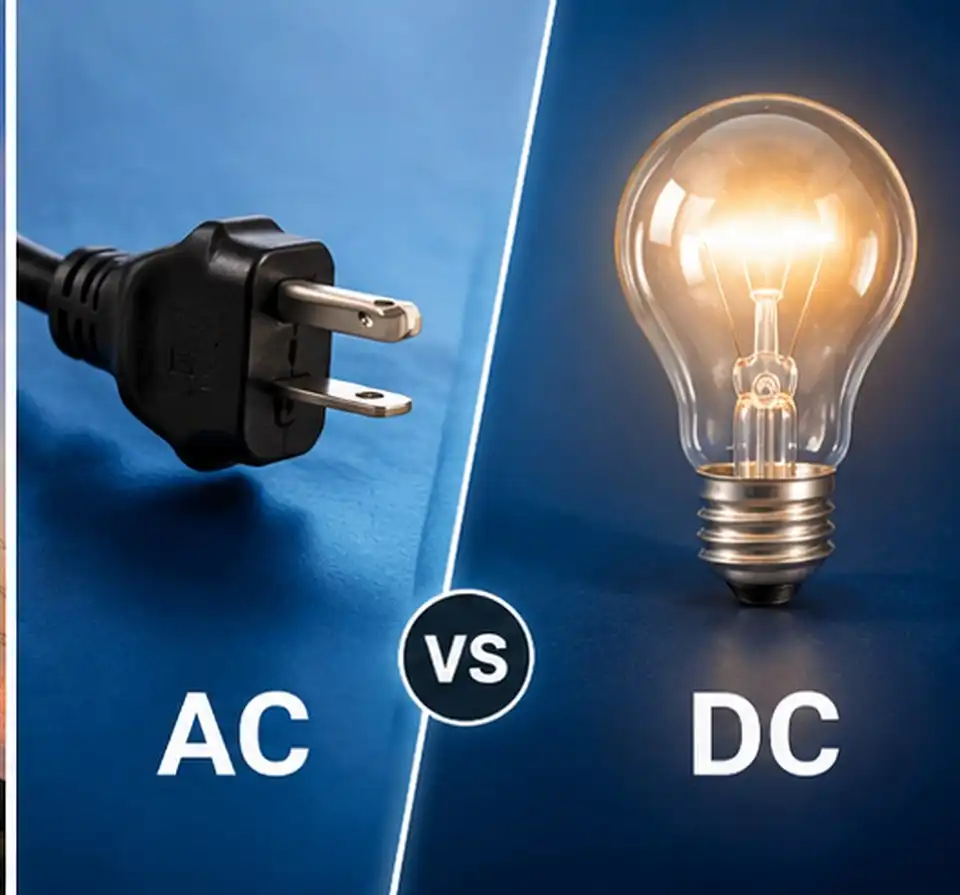
It needed a power plant every mile or so.
| Factor | AC (Tesla / Westinghouse) | DC (Edison, early systems) |
|---|---|---|
| Voltage change | Easy with transformers | Difficult before modern electronics |
| Transmission distance | Many miles | About 1 mile in early systems |
| Motor design | Simple, durable induction motors | Brushed motors needing upkeep |
| Arc behavior | Current crosses zero 120 times per second, so arcs extinguish more easily | Sustained arcs are harder to break |
| Modern home use | All utility service, HVAC, appliances | Solar panels, batteries, electronics |
DC is back inside your home. Solar arrays, battery storage, and EV chargers all handle DC. That is why solar and battery installs need licensed electricians who understand both systems.
Next step: If you are planning solar or a battery backup, ask your contractor how the inverter ties into your panel.
Voltage & Wiring Standards Timeline
Electrical codes grew directly out of early power plant failures and fires. The National Electrical Code (NEC) first appeared in 1897. The National Fire Protection Association has sponsored it since 1911.
| Era | Wiring / Code Milestone | What We Still Find in Birmingham Homes |
|---|---|---|
| 1880s-1930s | Knob-and-tube wiring common | Ungrounded circuits in pre-1940 homes |
| 1897 | First NEC published | Foundation of all modern rules |
| 1920s | Early nonmetallic sheathed cable and armored cable appear | Brittle cloth-covered cable |
| 1920s-1950s | Fuse panels standard; 110-120 V service | Overfused circuits, penny-in-socket hacks |
| 1950s-1960s | Circuit breakers replace fuses; 120/240 V service spreads | 60-amp and 100-amp panels |
| 1962 | Grounding receptacles required in new work | Two-prong outlets in older rooms |
| 1965-1973 | Aluminum branch wiring used | Loose, overheating connections |
| Early 1970s | GFCI protection begins | Missing GFCIs in older kitchens and baths |
| 1999-2002 | AFCI protection introduced, then required in bedrooms | No arc protection in older homes |
| 2008 | Tamper-resistant receptacles required | Standard outlets in older nurseries |
| 2020 | Whole-home surge protection required for dwelling services | Unprotected HVAC and electronics |
| 2026 | Current NEC edition published | Local adoption varies by jurisdiction |
You can review current code and safety resources directly through the NFPA electrical safety center.
Greek American Engineer 1920s Power Plant Electrical System Summary
The full story fits in one table.
Here is a quick-reference recap of who did what and why it still matters in your home.
| Question | Short Answer |
|---|---|
| Was there one Greek American engineer behind it? | No. The core figures were Tesla, Steinmetz, Westinghouse, and Insull. |
| Where does the Greek link come from? | The word ēlektron and Insull’s 1932 flight to Greece |
| What did 1920s plants produce? | AC power, increasingly at 60 Hz |
| How did power reach homes? | Step-up transformers, high-voltage lines, then step-down transformers |
| What standards came from that era? | AC distribution, transformer voltage steps, early NEC rules |
| What does it mean for your home? | Older homes may have wiring and panels sized for 1920s-1960s loads |
That greek american engineer 1920s power plant electrical system history becomes a practical question fast. Can your wiring handle 2026 demand?
Check Also: Which Direction Should a Ceiling Fan Turn in the Summer?
What This History Means for Birmingham Home Wiring
Your home’s wiring is only as modern as its last upgrade. A house built in 1925 and never fully rewired still runs on assumptions from Insull’s era. Those assumptions did not include central air, heat pumps, or EV chargers.
Our government-certified Birmingham electricians frequently see this in older local homes across Mountain Brook, Homewood, and the historic neighborhoods inside Birmingham city limits. Learn more about our licensed, code-focused approach from the Bob’s Electrical Services team.
Old Wiring We Still Find
| Wiring Type | Typical Era | Main Risk | Our Usual Recommendation |
|---|---|---|---|
| Knob-and-tube | Pre-1940 | No ground, brittle insulation, buried in insulation | Replace in stages or fully |
| Cloth-covered NM cable | 1920s-1950s | Cracked insulation, no ground | Replace affected circuits |
| Aluminum branch wiring | 1965-1973 | Loose, hot connections | Repair with approved connectors or replace |
| Ungrounded two-prong circuits | Pre-1962 | Shock risk, no surge path | Add ground or GFCI protection |
| Modern copper NM-B | 1980s-present | Low, if installed correctly | Inspect connections and loads |
Alabama humidity makes old insulation worse. Moisture speeds corrosion at connections. Heat in summer attics dries out cloth and rubber sheathing.
Next step: Look for two-prong outlets, warm switch plates, or flickering lights when the AC starts. Each one signals an older circuit.
Control Voltage and HVAC Interlocks: Power Plant Logic at Home
Your HVAC system uses the same control strategy as a 1920s switchboard. A small, safe control voltage commands a much larger power circuit. In a power plant, relays switched generators. In your home, a 24-volt thermostat signal switches a 240-volt compressor.
Here is how the furnace and AC talk to each other:
- Thermostat calls for cooling by closing the R-to-Y circuit (24 V).
- Furnace control board sends 24 V to the outdoor contactor coil.
- Contactor closes, sending 240 V to the compressor and condenser fan.
- Furnace blower runs on 120 V through the G call.
- Safety switches, like a condensate float switch, can open the circuit and shut cooling down.
| Circuit | Voltage | Typical Wire | Controls | Common Failure We See |
|---|---|---|---|---|
| Thermostat control (Class 2) | 24 V AC | 18-gauge thermostat cable | Calls for heat, cool, fan | Nicked wire shorts and blows the board fuse |
| Furnace / air handler | 120 V (gas) or 240 V (electric heat) | 14 or 12 AWG, or larger for heat strips | Blower, igniter, heat strips | Loose connections, failed boards |
| Outdoor condenser | 240 V | Sized to nameplate MCA | Compressor, fan | Pitted contactor, burned lugs |
| Outdoor disconnect | 240 V | Matches condenser circuit | Service shutoff | Rusted or corroded disconnect |
| Surge protection | Panel-level | N/A | Protects boards and motors | Storm-damaged control boards |
If you’ve spent a summer managing cooling loads in Alabama, this system control setup makes complete sense. One blown 3-amp or 5-amp fuse on the furnace board can kill both heating and cooling. On service calls in Trussville and Pelham, the cause is often a thermostat wire chewed by pests or cut by a weed trimmer near the condenser.
Our electrical repair and panel upgrade services cover dedicated HVAC circuits, disconnects, and surge protection.
Panel Upgrade: Repair vs. Replace
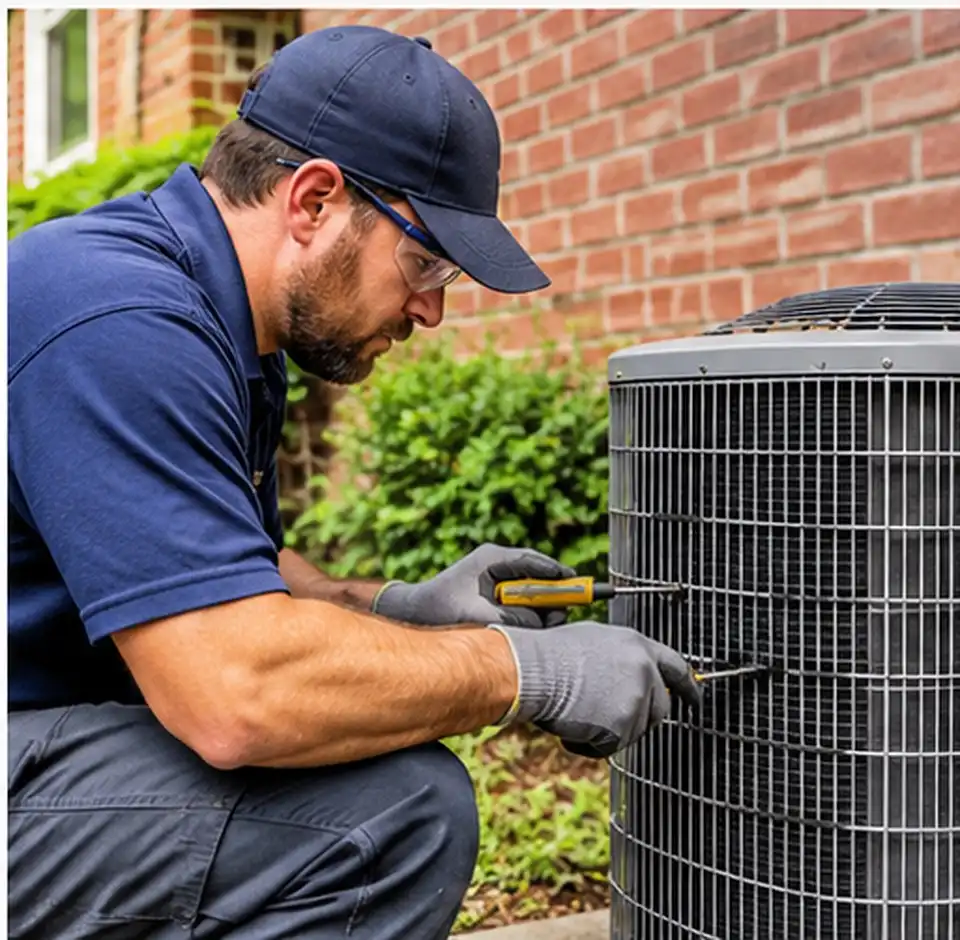
Panel age and brand matter more than panel size alone. A 1920s plant had no automatic protection to speak of. Your panel is your home’s main protection system, and it has to match today’s loads.
| Situation | Repair | Replace / Upgrade | Why |
|---|---|---|---|
| Single loose breaker | ✅ | Simple fix if bus bar is clean | |
| Burn marks on bus bar | ✅ | Heat damage spreads | |
| Fuse panel | ✅ | No modern AFCI or GFCI options | |
| Federal Pacific Stab-Lok or Zinsco | ✅ | Long field record of breakers failing to trip | |
| 60-amp or 100-amp service with central AC | ✅ | Usually too small for modern load calculations | |
| Adding EV charger or heat pump | Often ✅ | Load calculation decides | |
| Rust from moisture | Sometimes | Often ✅ | Corrosion weakens connections |
| Missing surge protector | ✅ Add SPD | Required on new or replaced dwelling services |
| Panel Type | Typical Service Life | Notes |
|---|---|---|
| Fuse box | Past service life | Upgrade recommended |
| Older breaker panel (pre-1980) | Near or past end of life | Inspect for brand issues |
| Modern breaker panel | Often 25 to 40 years | Depends on heat, moisture, and load |
Next step: Read the label inside your panel door. Note the brand, amperage, and date, then share them with us when you call.
Troubleshooting Checklist: Older Wiring and HVAC Control Problems
Most electrical warning signs show up before a failure. Use this checklist to spot them safely.
Never open your panel cover.
- Check breakers for any tripped handle sitting in the middle position.
- Reset once only. If it trips again, leave it off and call a licensed electrician.
- Watch the lights when the AC compressor starts. Heavy dimming points to voltage drop or a weak connection.
- Feel switch plates and outlet covers. Warmth means trouble.
- Smell for burning plastic near the panel, outlets, or furnace.
- Inspect the condensate drain if the AC stops and the thermostat is on. A tripped float switch shuts it down.
- Look at thermostat wiring near the outdoor unit for cuts or chewing.
- Note the outdoor disconnect. Rust, cracked covers, or water inside it need attention.
- Listen for buzzing at the panel or outdoor contactor.
- Write down when problems happen. Timing helps us diagnose faster.
Safety Guidelines for Older Alabama Homes
Electrical safety starts with knowing what not to touch. Early power plant workers learned this the hard way.
OSHA later wrote those lessons into federal rules, which you can review on OSHA’s electrical safety page.
- Never replace a fuse with a higher-rated fuse.
- Never cover knob-and-tube wiring with attic insulation.
- Never remove the panel’s dead-front cover yourself.
- Always shut off the outdoor disconnect before cleaning around the condenser.
- Install GFCIs in kitchens, baths, garages, laundry areas, and outdoors.
- Add AFCI protection to bedrooms and living spaces when circuits are updated.
- Test smoke and CO alarms monthly.
- Use a whole-home surge protector to guard HVAC boards and electronics.
- Hire licensed electricians for any permit-level work.
- Schedule an inspection before buying a pre-1970 home in Birmingham, Hoover, or Alabaster.
How Bob’s Electrical Services Applies These Principles Today
We apply the same core principles that 1920s engineers proved: calculate the load, protect the circuit, and control power safely. Steinmetz made power predictable with math. We do the same with NEC load calculations before every panel upgrade.
At Bob’s Electrical Services, we operate as a Government Certified, fully licensed, and insured electrical contractor. Every job follows current code, local permit rules, and clear, upfront pricing. We explain what we find in plain language.
| Engineering Principle (1920s Origin) | How We Apply It in Your Home |
|---|---|
| Load diversity (Insull) | NEC load calculations before panel or service upgrades |
| AC transformer logic (Tesla / Westinghouse) | Proper service sizing and grounding |
| Predictable math (Steinmetz) | Voltage drop checks on long runs and HVAC circuits |
| Lightning protection (Steinmetz) | Whole-home surge protection installs |
| Low-voltage control (power plant relays) | HVAC interlock and thermostat circuit troubleshooting |
We answer calls 7 days a week, because Alabama heat does not wait for Monday. Our crews cover Birmingham, Hoover, Vestavia Hills, Mountain Brook, Homewood, Trussville, Pelham, Alabaster, and nearby towns. See the Alabama communities we serve to confirm your area.
The greek american engineer 1920s power plant electrical system legacy is not just trivia. It is the reason your panel, wiring, and HVAC controls work the way they do. When those older systems start to struggle, we fix them to today’s standards.
FAQs
Was there a famous Greek American engineer who designed 1920s power plants?
No single one is documented as the system’s designer. The key figures were Tesla, Steinmetz, Westinghouse, and Insull. The Greek link comes from the word ēlektron and Insull’s 1932 escape to Greece.
Was Nikola Tesla Greek?
No. Tesla was ethnically Serbian, born in Smiljan in modern-day Croatia, and became a U.S. citizen in 1891.
What did Charles Proteus Steinmetz contribute?
He made AC power mathematically predictable, defined the law of hysteresis, and pioneered lightning and surge research at General Electric.
Why do U.S. homes use 60 Hz power?
Early U.S. utilities settled on 60 Hz as a practical frequency for lighting and motors. It became the national standard.
Is knob-and-tube wiring illegal in Alabama?
Existing knob-and-tube is not automatically illegal. It lacks a ground, is not rated for insulation contact, and many insurers restrict it. We recommend replacement.
How do I know if my panel is too small?
Frequent trips, dimming lights, and adding central AC, an EV charger, or a heat pump are strong signals. A load calculation gives the real answer.
Why does my AC stop when the furnace has a problem?
The furnace board supplies the 24-volt control power for the outdoor unit. If that board, its fuse, or its transformer fails, the AC loses its start signal.
How does this history connect to my home?
Searching greek american engineer 1920s power plant electrical system leads straight to the AC, transformer, and control principles inside your panel today. Older homes still carry wiring from that era.
Do you offer weekend service?
Yes. We work 7 days a week across the Birmingham metro.
Get Your Older Home Inspected Before Summer Loads Hit
Wiring built for the 1920s cannot safely carry 2026 loads. The engineers of that decade gave us a brilliant system. They never planned for two-stage heat pumps, EV chargers, and 98-degree July afternoons in Hoover.
Call our government-certified team or schedule a licensed electrical inspection to check your panel, wiring, and HVAC circuits before the next heat wave.