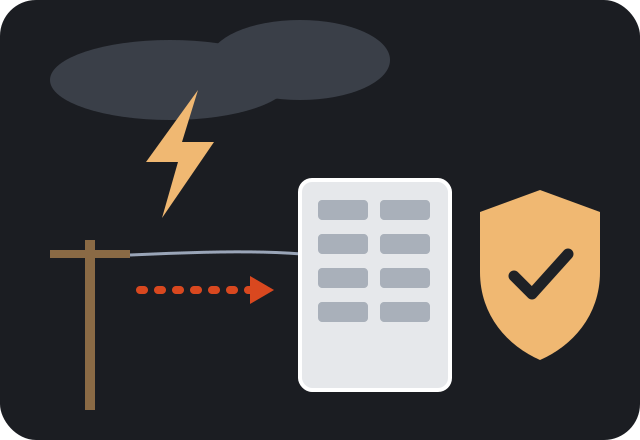
Quick answer: AFCI (arc fault circuit interrupter) protection is a type of breaker or outlet that detects the unique electrical pattern of dangerous arcing, such as sparking from a damaged cord, a loose connection or a nail through a wire, and shuts off the circuit before that arcing can start a fire. Standard breakers respond to overloads and short circuits but can miss many arcs. AFCI protection is required for many living-area circuits in new construction and some renovations under current electrical code.
An electrical arc is a spark that jumps across a gap. Tiny, harmless arcs happen every time you flip a switch. Dangerous arcs are different: they happen where they should not, inside a damaged cord behind the sofa or at a loose connection inside a wall, and they can produce enough heat to ignite nearby material.
Arc fault circuit interrupters were developed to catch those sparks. If you have newer breakers with test buttons, or you are planning a remodel, here is what AFCI protection does and why it matters for electrical safety.
How is an AFCI different from a regular breaker?
A standard breaker trips when current gets too high for the wire, either from an overload or a direct short. Many dangerous arcs never draw enough current to trip it. A frayed lamp cord can arc and char the carpet while pulling less current than a space heater.
An AFCI breaker contains electronics that watch the waveform of the current, looking for the erratic signature of arcing. When it recognizes that pattern, it cuts power. It is also designed to ignore normal arcs, like the brief spark inside a switch or a motor's brushes.
An AFCI does not replace smoke alarms. It reduces one source of fire risk. Working smoke alarms on every level and in sleeping areas remain essential.
AFCI vs. GFCI: what is the difference?
They sound alike and both have test buttons, but they protect against different things:
- AFCI: protects against fire by detecting dangerous arcing in wiring and cords.
- GFCI: protects people from shock by detecting current leaking to ground.
- Dual function devices: combine both in one breaker or outlet, often used where both kinds of protection are required.
For more on the shock side, read what a GFCI outlet is.
Where is AFCI protection required?
Requirements have grown over several code cycles. Today the National Electrical Code calls for AFCI protection on many circuits serving living spaces, which typically includes bedrooms, living and family rooms, dining rooms, hallways, closets, kitchens and laundry areas. Exact requirements depend on which code edition your city or county has adopted.
In existing homes, AFCI protection may be required when certain circuits are extended or modified, even if the rest of the house is older. Check with your city or county about local rules, and expect the electrician handling a remodel to address this. For homes built before these requirements, adding AFCI protection is optional but worth discussing, especially where wiring is older.
Why does an AFCI breaker trip?
When an AFCI trips, it may have caught a real problem. It may also be reacting to something that looks like arcing. Common causes include:
Damaged cords or plugs
A pinched extension cord or a worn appliance plug can create real arcing.
Loose connections
A loose wire at an outlet, switch or splice is a classic arc source, and exactly what an AFCI is meant to catch.
Wiring damage
A nail or screw driven through a cable during a picture hanging or remodel can cause an arc fault inside the wall.
Shared neutrals or wiring errors
Some older wiring layouts do not play well with AFCI breakers and cause trips until corrected.
Certain appliances
Some motors and older electronics can produce electrical noise that an AFCI may read as arcing, although newer AFCIs are better at telling the difference.
Reset a tripped AFCI once. If it trips again, unplug what is on that circuit and try again. If it still trips with nothing plugged in, leave it off and call a licensed electrician. The guide to why a circuit breaker keeps tripping covers general tripping patterns.
Never swap an AFCI for a standard breaker to stop the trips. That removes fire protection and may violate code. Frequent trips are a reason to find the cause, not remove the device.

Adding AFCI protection to an older home
In many homes, AFCI protection can be added by replacing standard breakers with AFCI breakers, provided the panel accepts them. Where the panel does not, AFCI outlets at the first outlet on the circuit are an option in some situations. Older panels with limited compatible breakers can make this harder, which sometimes ties into a conversation about breaker replacement or panel work.
If existing wiring has hidden problems, a new AFCI may trip right away. That is inconvenient, but it is useful information. It points to connections that need attention.
Why it matters in Birmingham
Older houses around Birmingham, from Mountain Brook to Ensley, often have aging cords, wiring touched by decades of renovations, and attics that get very hot in summer. Those are the conditions where arcing develops. For families in homes like these, AFCI protection on bedroom and living-area circuits is a reasonable safety upgrade to raise with a local electrician.
Key takeaways
- AFCI protection detects dangerous arcing and shuts off the circuit to help prevent fires.
- Standard breakers can miss many arcs because they only respond to high current.
- AFCIs protect against fire; GFCIs protect people from shock.
- Current code requires AFCI protection on many living-area circuits in new work.
- Repeated AFCI trips should be diagnosed, never bypassed.
Frequently asked questions
AFCI stands for arc fault circuit interrupter. It is a device, usually a breaker in your panel, that detects the electrical pattern of dangerous arcing and interrupts the circuit before the arc can start a fire.
AFCI breakers usually have a test button and are often labeled AFCI, arc fault or dual function on the breaker handle or face. You can look at the breaker faces without removing the panel cover. If you are not sure, an electrician can confirm during a visit.
Some vacuum motors produce electrical noise that an AFCI can mistake for arcing, especially with older AFCIs or worn vacuum cords. Try a different outlet or circuit, and inspect the cord for damage. If trips continue with several devices, have an electrician check the circuit.
Generally, existing homes are not required to add AFCI protection everywhere. When circuits are added, extended or modified, current code may require it for those circuits. Check with your city or county and the electrician handling the work.
Yes. AFCI breakers contain electronics that can fail over time. Press the test button periodically as the manufacturer recommends; if the breaker does not trip when tested, or trips constantly with nothing connected, have it evaluated and replaced if needed.
It depends on the panel. Many panels accept AFCI breakers made for them, but some older or obsolete panels have few or no compatible options. In those cases, an electrician may suggest AFCI outlets or discuss panel replacement.